

As a tattoo apprentice, you learn the art of tattooing under the instruction of a professional artist. But what does that actually mean, and how does that look day to day?

In this article, we’re breaking down:
Tattoo Apprenticeship Daily Timeline
While these times will vary depending on the shop, most apprentices have a long work day:
~11:30am: Get to the shop and start cleaning

As an apprentice, you want to be the first one to get to the shop each day. All the artists will show up an hour before opening time (this depends on the shop, but usually around 1pm), so you’ll want to be there an hour and a half early to mop and clean each morning before the first artist comes in.
~2:00-5:00pm: Food and supply runs for the other tattoo artists
Depending on how many artists tattoo at the shop, apprentices are usually asked to pick up food once or twice a day. They’re also sent to the store if any of the artists run out of supplies.
Note:
If you’re going out, make sure to ask each artist if they need you to pick something up - and always write down a list so you don’t forget anything.
All Day: Cleaning and drawing
Whether you have to clean up after every tattoo for just your mentor or every artist will depend on your mentor. Some mentors will set up their stations themselves, others will have the apprentice clean and prep the stations for every artist before every tattoo.
If you aren’t watching a tattoo, cleaning, or setting up stations, you should be drawing. If you’re not sure what to draw, practice drawing roses and traditional tattoos. Don’t spend time on your phone unless you’re looking up reference photos for your drawings.~10:00-11:00pm Closing Duties

The last clients of the day usually leave an hour before closing, however it’s normal for artists to stay late to finish a tattoo. You need to be prepared to stay an hour later than the shop’s closing time to finish cleaning the shop. Before you leave, make sure the trash is emptied, the floor is mopped and swept, and the bathroom is clean.
Do’s and Don’ts in a Tattoo Apprenticeship

Going the extra mile can make your mentor more likely to share tips and help you along, while getting in “trouble” can lead to extra chores - or even get you fired.
DO: Extra Station Setup
DON’T: Tattoo Outside the Shop
DO: Show that You’re Taking Criticism
DON’T: Invite Friends to Hang Out at the Shop
DO: Wear the Right Clothes for Tattooing
DON’T: Show Up on Time…Be Early
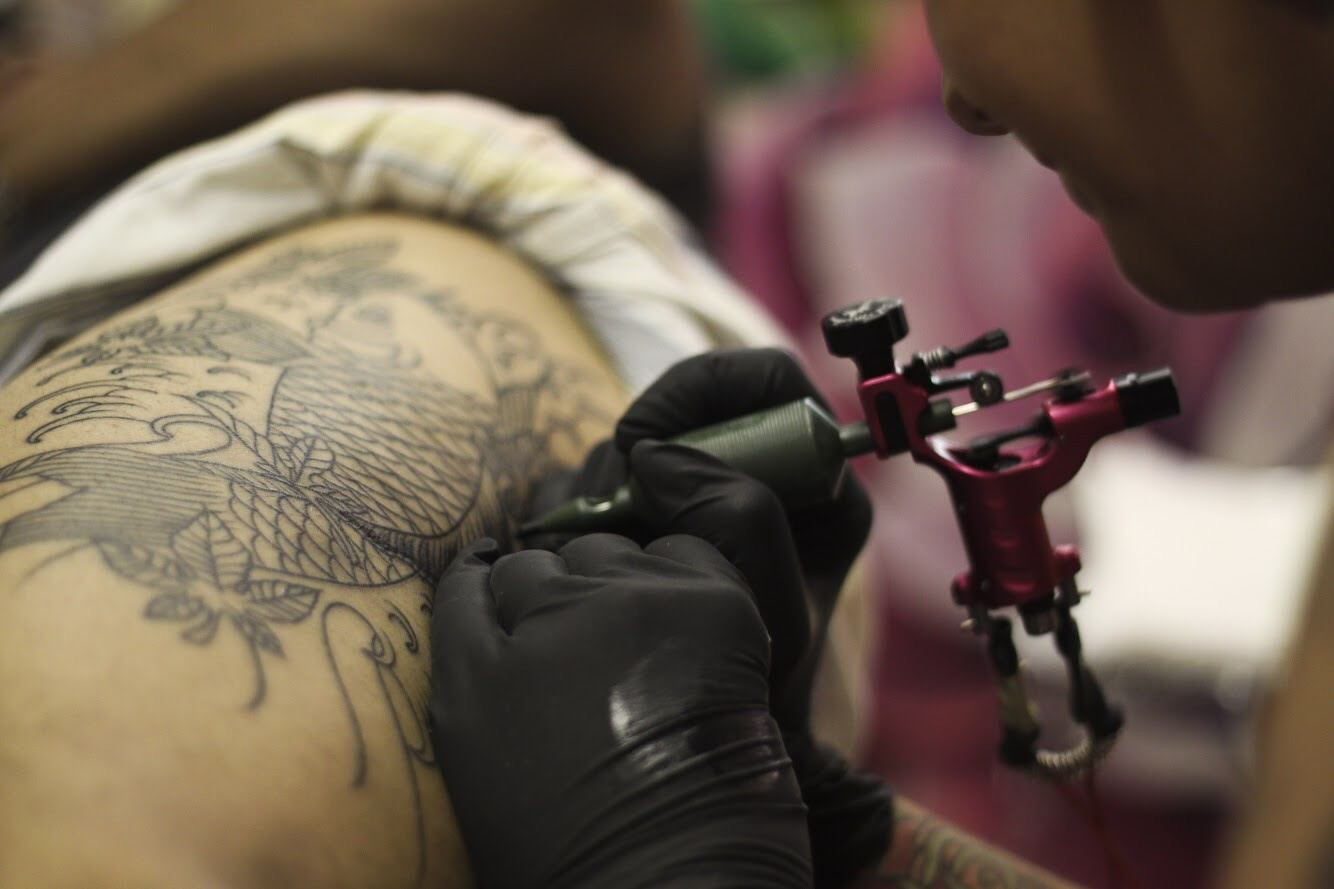
What do Apprentices Do Outside the Tattoo Shop?
Working a Second Job
Many tattoo apprentices have a second job to support themselves. This means a lot of your off-time is still spent working.
Some states require you to also attend one of their approved tattoo schools to get licensed. That education will be in addition to your apprenticeship training.Drawing Even More
Tattoo apprentices spend hours drawing in the shop, but they’re usually expected to draw while they’re at home, too.
Taking art classes is not required. However, you do need to understand how tattoo designs are put together (and strong enough drawing skills to facilitate that).Building a tattoo career means reaching new clients. This is why many tattoo artists and apprentices spend a lot of time building their social media following. As an apprentice, posting artwork every day is a great way to find fans that will later become paying customers.
Note:
Great tattoo artists sometimes struggle to get booked out because people don’t know about them. No matter how great your artistic skills are, unless you’re doing some form of online marketing, it will be difficult to be booked out on a regular basis when you’re ready to take on clients as a professional artist.
What You Learn Each Year in an Apprenticeship
Every tattoo artist will teach at their own pace. However, there is usually a general timeline that tattoo apprenticeships follow, as well as a few red flags to look out for:
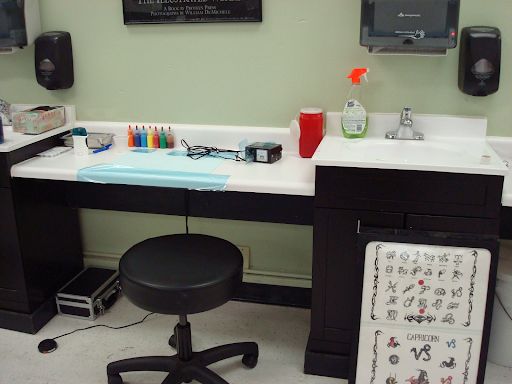
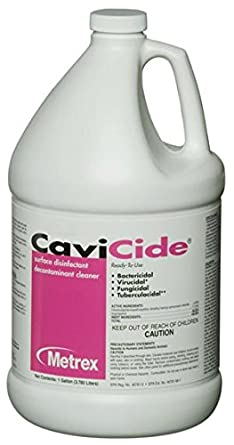
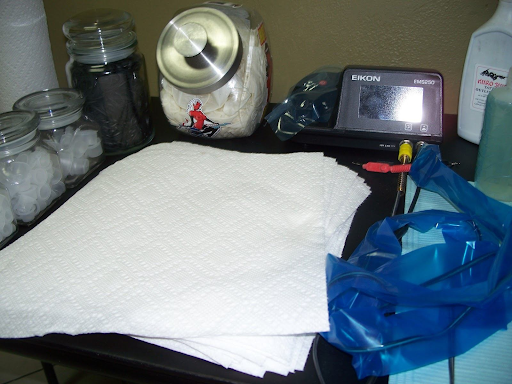
As an apprentice, most of the first year is spent doing “grunt work” to pay for your tattoo education.
What You DO:
Most of the day is spent mopping, cleaning the bathroom, preparing the other artists’ work stations, answering phone calls, etc. Any spare time you have will be spent drawing.
What You LEARN:
During this time, apprentices learn proper sanitation, get introduced to how the tattoo industry works, learn how to set up a tattooing station, and get comfortable talking with clients.

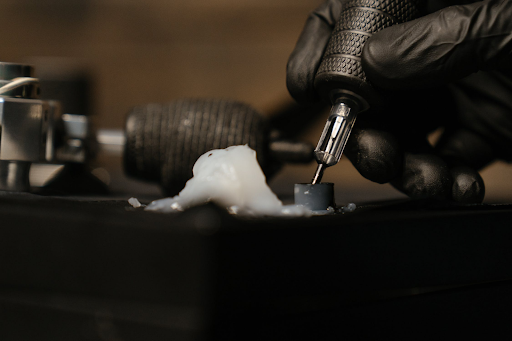
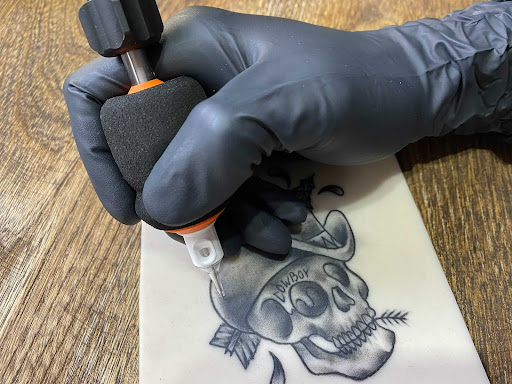
During your second year, you spend time diving into tattoo art, design, and how to use tattooing equipment.
What You DO:
While you’re still expected to do normal “chores,” more of your time is devoted to drawing, painting, and creating lots of flash art, as well as watching the artists in the shop more closely while they work. You might also start tattooing fake skin or yourself to practice basic techniques.
What You LEARN:
During your second year, you learn how to design tattoos as well as how to use a tattoo machine, pick the right needles for each design, and choose and mix tattoo ink.
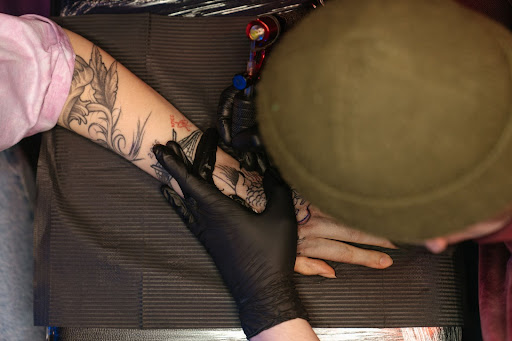
After about a year in the shop, you’ll be allowed to start working with tattoo machines on fake and human skin.
What You DO:
You’ll tattoo fake skin before tattooing yourself. Once your mentor is confident you can tattoo on other people, you’ll tattoo a few friends in the shop and take on smaller tattoos or walk-ins that the more experienced tattoo artists don’t want.
What You LEARN:
During your third year, you will master line work, shading and packing, and build out your tattoo portfolio.
Note:
It is normal for the shop to take a bigger split of an apprentice’s tattoos. Usually, the shop takes 60%.
Charging for an “Apprentice Tattoo”
Apprentices are not expected to be at the same level as a professional tattoo artist. However, that also means they can’t charge the same amount as a more experienced artist.
No-Charge Tattoos
At first, apprentices might not charge for their tattoos.
To work in the tattooing industry, you have to practice. The people willing to give up their skin to help you learn and grow your tattoo portfolio are the ones doing you a favor. So, the only money you make from those free tattoos will be tips.
Low-Charge Tattoos
Once an apprentice starts charging, it’ll still be at a “discounted rate” compared to an experienced tattoo artist.
Most tattoo artists charge around $100-150/hr when they first start out in a full-time position. Apprentices charge half of that, usually around $50-60/hr. The shop owner will then take between 50-60% of that pay, as their part of the split.
Tattooing as an Apprentice: Critiques and Improvements
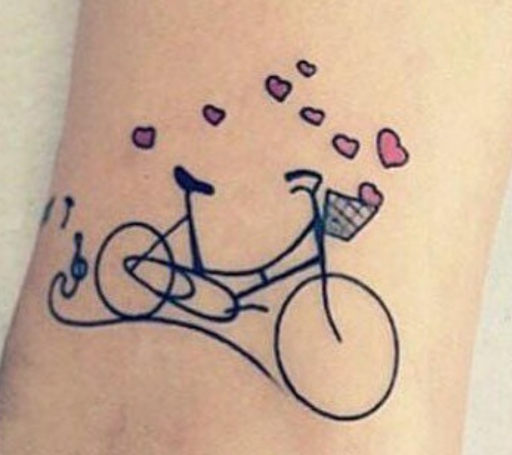
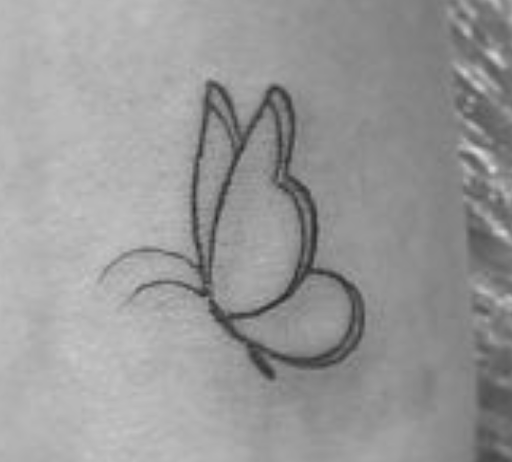
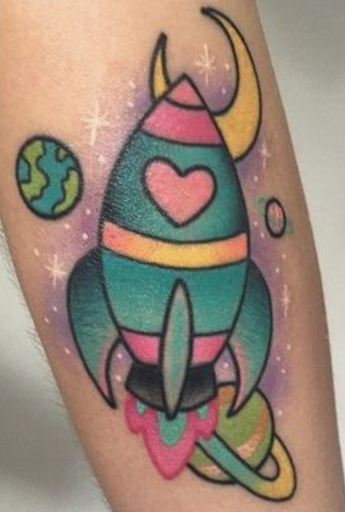
A big part of any apprenticeship is getting feedback from your mentor.
What Designs You Tattoo as an Apprentice
At first, you’ll be doing small, palm-sized tattoos on clients. However, as you (and your mentor) grow more confident in your skills, you’ll be able to take on larger, more detailed work.
What Getting Critiqued as an Apprentice Looks Like
As an apprentice, how you’re critiqued will depend on whether you’re working with a client or on fake skin.
If your mentor is watching you work on fake skin, they’ll probably coach you while you work. They’ll correct mistakes immediately, and they might tattoo a bit themselves to show you what to do.
If you’re working on a client, your mentor will only stop you if you’re making a major mistake or tearing up the skin. They won’t critique you in front of the client, but they might ask you to take a break so they can talk to you. Otherwise, they’ll wait until you’re done working to critique you.
What a Mentor is Looking For in an Apprentice Tattoo
When critiquing your tattoos, a mentor will be looking to see if you can tattoo a straight line, create smooth shading, and saturate color. They’ll also be checking to make sure your depth is right and that the skin is not overworked.
How to Improve from Your Critiques
Once you know what you need to work on, practice on fake skin until you’ve fixed the problem.
Note:
Most often, apprentices will struggle with linework. They’ll need to practice holding the machine correctly and hitting the right needle depth.
FAQs
Most shops will not post that they are looking for apprentices. New artists have to ask potential mentors for help in person. If you don’t know how to approach a shop and ask for an apprenticeship, check out our article on How to Get a Tattoo Apprenticeship.
Note:
Don’t ask for a tattoo apprenticeship during peak business hours or at tattoo conventions.
Most shops don’t want to see a sketchbook, they’ll want to see tattoo designs and flash sheets. To learn more about how to put together a high-quality portfolio with different styles (and get a peek at our Lead Instructor’s apprenticeship portfolio), check out our guide on How to Start a Tattoo Portfolio.
Tattoo apprenticeships are pretty competitive. There will only be a few artists accepting new apprentices in your area, and it’s normal for an artist to “test” a potential apprentice by telling them no several times.
Apprentices are usually expected to work all day, 6 days a week. If the tattoo shop is open, then the apprentice is probably there. While some mentors might allow vacation time, it’s highly unlikely.
Note:
This is a very difficult schedule to maintain, especially if you have a family and a mortgage. An online tattoo school can be more accommodating to a busy schedule.
In most apprenticeships, you won’t be allowed to pick up a tattoo machine until after your first year. You’ll probably only be allowed to tattoo under your mentor’s supervision, and you won’t be allowed to take your tattoo equipment home to practice.
The Dark Side of Tattoo Apprenticeships
Tattoo apprenticeships are known for being a grueling process, but the difficulties apprentices face aren’t usually caused by the work it takes to become a tattoo artist. They’re actually caused by the apprenticeship process:
Financial Struggles
Tattoo apprenticeships aren’t possible for a lot of people because they ask aspiring artists to work full-time with no income for 2+ years. This either means living on a shoestring budget or working a second full-time job to pay bills.
Social Isolation
Between long hours at the shop and working a second job to pay bills, it’s normal for apprentices to be busy all the time. Not having the time (or money) to see family and friends can take a major emotional toll.
Hazing and Abuse
Good shops and great mentors do exist. And in those environments, the apprentice will get picked on by the tattoo artists in the shop, but the teasing has a “family” feel.
Unfortunately, it’s much more common to hear about apprenticeships where that line gets crossed, leading to hazing or even abuse and harassment. A lot of the time, this occurs in “apprenticeships” where the mentor doesn’t actually teach the apprentice how to tattoo - they just want someone to work the front desk and will string along an aspiring artist to get free labor.
Learn to Tattoo Without an Apprenticeship
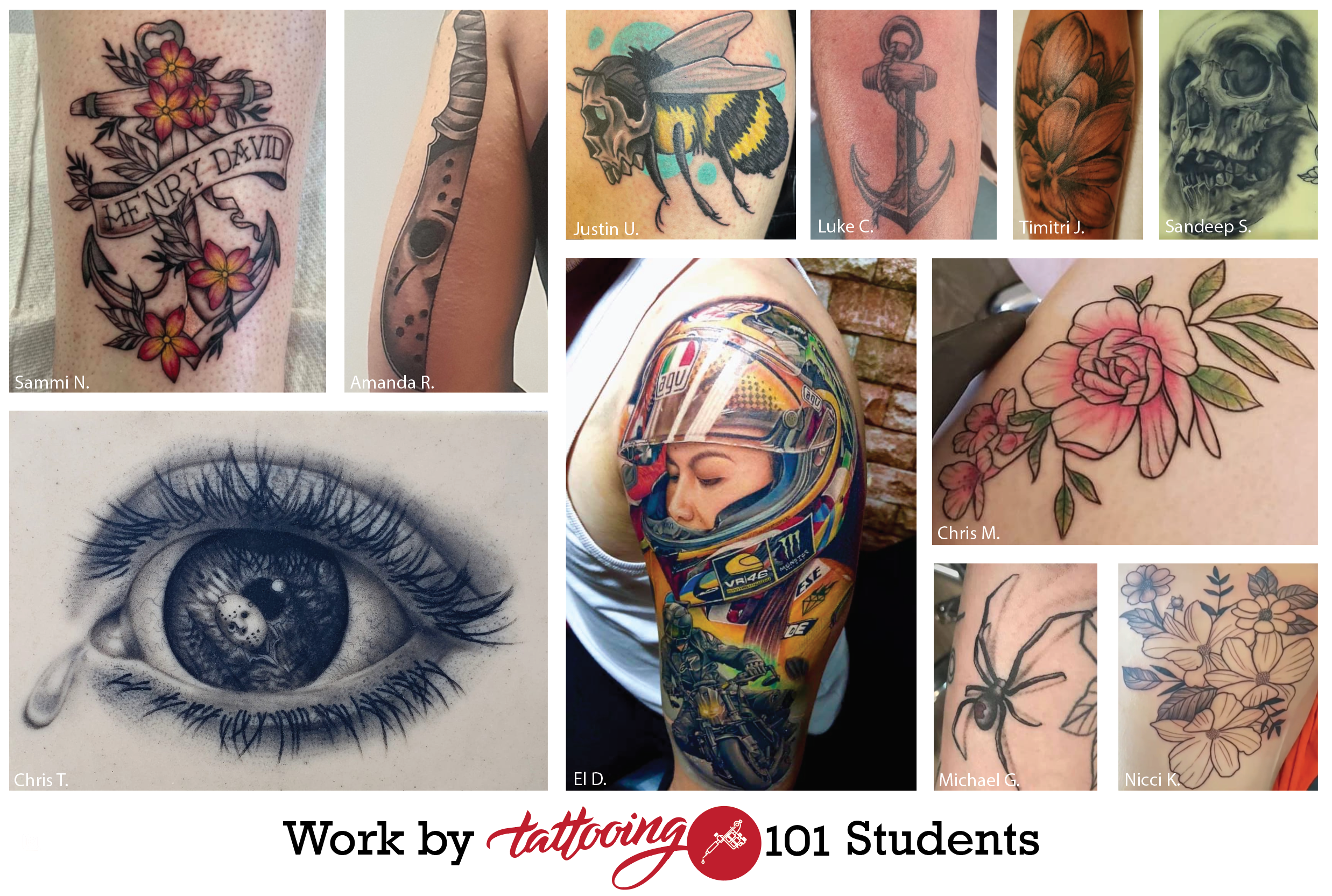
Having a career in tattooing is not only fulfilling, but it’s also the most stable way to make a living as an artist. However, for decades, the process to become a tattoo artist has been notoriously difficult.
The apprenticeship process requires aspiring tattoo artists to work 50-60 hours a week without pay for 2-4 years. That, combined with the toxic culture of abusing apprentices, makes getting into the industry almost impossible for newcomers.
That’s why we created the Artist Accelerator Program. Our online course provides a simple, structured way of learning to tattoo that has been proven to work by over 2500 successful students, with many of them having gone on to open their own shops all around the world.
Inside the program, we’ll take you through every step of the tattooing process in 9 clear, easy-to-follow modules and support you along the way within the Tattooing 101 Mastermind online community.
In the Mastermind group, you’ll collaborate with other students, get answers to your questions, and receive personalized video feedback on your artwork and tattoos from professional tattoo artists. With this friendly community of both new and experienced tattoo artists, you’ll never be stuck again.
When you join the Artist Accelerator Program, you’ll have instant access to the full course and the Mastermind community, as well as our 30-Day Flash Challenge and recorded interviews with tattoo artists from all over the world.
Click here to learn more about the Artist Accelerator Program.