

A recent study conducted by researchers from the University of Southern Denmark and the University of Helsinki looked at the data from over 5,900 twins to understand whether having tattoos correlates with an increased risk of certain cancers, specifically skin cancer and lymphoma.
Since twins are nearly genetically identical and share the same early life environment, differences in cancer rates between tattooed and non-tattooed twins suggest that lifestyle factors, like tattoo ink exposure, may play a role.

In this article, we’ll take a look at what the study concluded and the surrounding factors including:
Key Findings: The Twin Study
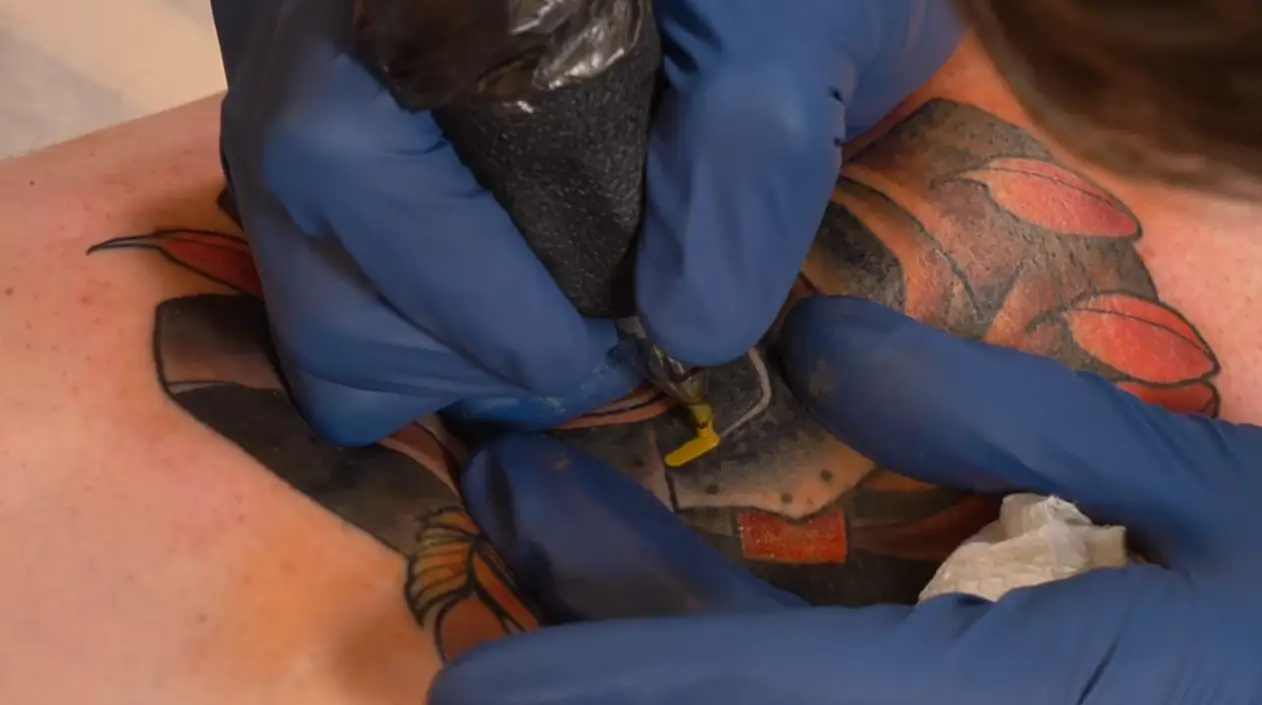
There were three main findings in the study:
- 1The tattooed twin had a higher incidence of cancer compared to their non-tattooed sibling.
- 2Larger tattoos (bigger than the palm of a hand) carried greater risk, making them more likely to develop cancer.
- 3Tattoo ink doesn’t stay where you put it—particles of ink collect in the lymph nodes. (This could potentially cause chronic inflammation as the body constantly fights the ink as a “foreign particle,” potentially contributing to cancer development.)
How Tattoo Ink Travels in the Lymphatic System
Tattoo ink is deposited in the dermis, and some particles are small enough to be absorbed by the lymphatic system (which filters waste and fights infections). Immune cells will then try to break down the ink particles, but many are too large and will stay trapped in the lymph nodes.
This can trigger chronic, low-grade inflammation (linked to different diseases, including lymphoma).
It also causes chemical exposure, since some inks contain heavy metals and carcinogens, which could affect immune function when stored in the lymph nodes.
Additionally, since the lymphatic system filters toxins, ink accumulation could impact the body’s process of removing other harmful substances.Understanding the Numbers: Relative Risk of Cancer vs. Absolute Risk in Tattooed Individuals

It’s important for clients and artists alike to understand that tattoo ink might pose a risk. But for those concerned with the dangers, it’s also important to understand the difference between relative risk and absolute risk.
The study indicates that tattooed individuals with large tattoos (bigger than a palm) were “3.91 times more likely to develop skin cancer.” This is a statistically significant cancer risk, however this is also the relative risk.
However, if the twins, for example, have a general 1% baseline risk of getting skin cancer, then the tattooed twin’s risk is 1% x 3.91. So the non-tattooed twin might still have a 1 in 100 chance of developing cancer, while the tattooed twin would have about a 4 in 100 chance.Cancer Risk & Behavioral Patterns in Tattooed Individuals: Correlation vs. Causation
While there is correlation between the tattooed twin and a higher risk of cancer, with the amount of time it takes for cancer to develop, it is - at this point in time - difficult to definitively imply causation and point the finger at tattoo ink as the only risk-increasing statistic in the tattooed twin.
The Danish twin study allows scientists to compare people with similar genetics and environmental factors. However, it does not take into account lifestyle factors that might diverge between the siblings like smoking, drinking, and sun exposure - which can cause an increased risk of cancer overall.
The original study does take this into account in their statement: “Studying this link is challenging because cancer can take years to develop. This means that exposure in youth may not lead to illness until decades later, making it difficult to measure a direct effect. “
Are Tattooed People More Likely to Engage in Behaviors That Increase Cancer Risk?
While tattoos have become more mainstream in the most recent decade (widening the pool of personality types getting tattooed), there is still a perception of tattooed people displaying more “risky” behavior than those without tattoos.
This isn’t completely without foundation.
Studies have shown that young people with tattoos are more likely to engage in activities that can increase cancer risk including drug, tobacco, and alcohol use.
Though the expression of “deviant behavior…tends to decline with age,” the increased likelihood of tattooed individuals to engage in behaviors that cause a higher cancer risk - including skin cancer and lymphoma - at any point in their lives could very likely play a part in the study.Additional Effects of Tattoo Ink & Previous Studies
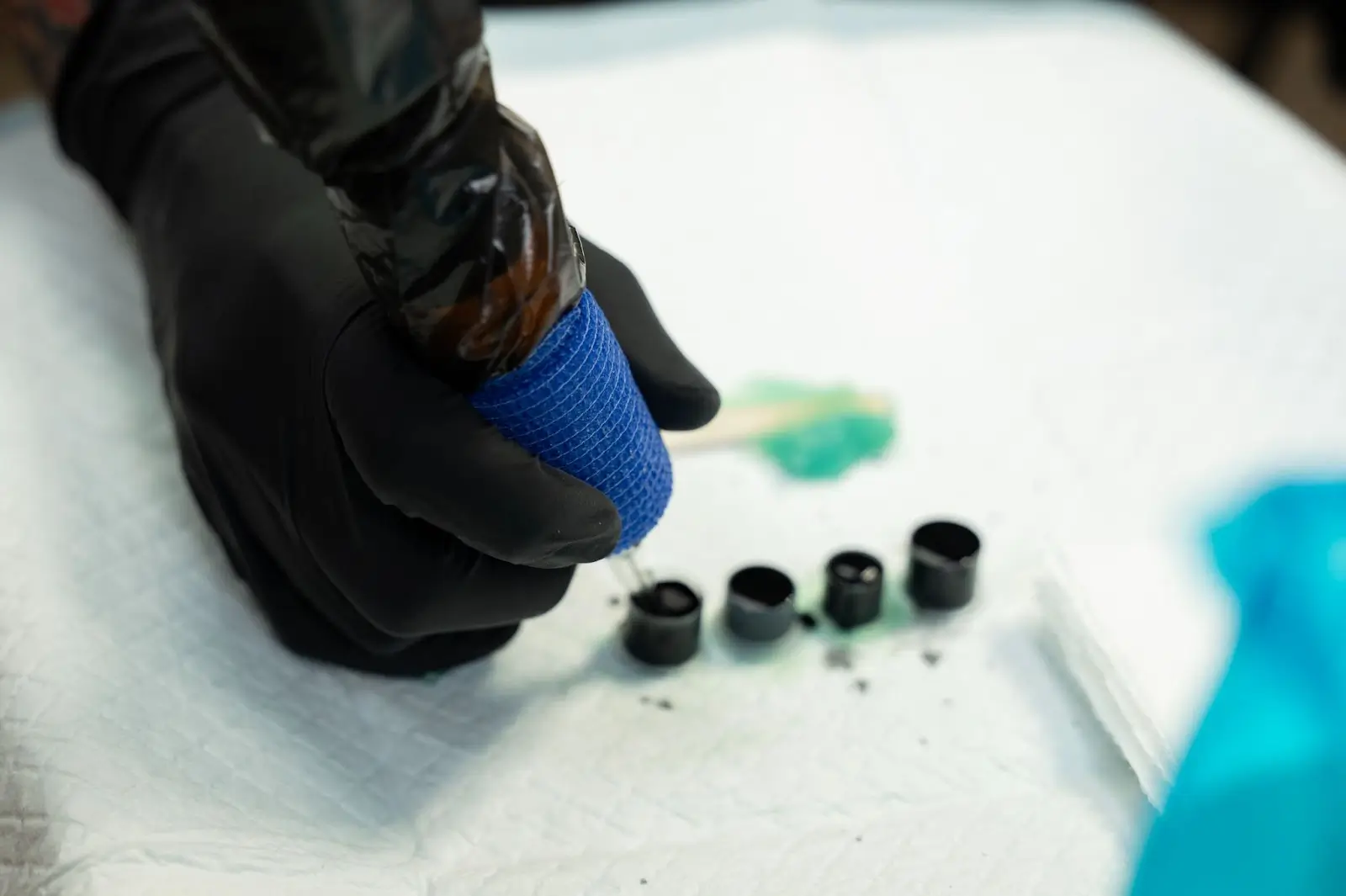
The Twin Study is not the first to dissect the effects of tattoo ink on the body.
One study released in August 2022 found that tattoo ink can be considered carcinogenic, especially in certain circumstances. Outside of the effects on the lymphatic system, it appears that the main dangers associated with tattoo ink are the ink particle size and the laser removal process.
Ink Particle Size
Tattoo ink particles tend to be large - too large for the body’s natural defense systems to break them down effectively. (This is how we create the permanent effect tattoo ink has. If all the particles were small enough to be broken down, the tattoo would fade due to the body’s natural defenses.)
However, at the time of writing, tattoo ink production is just now beginning to be regulated. Because of this, ink particle size has not always been monitored. If a tattoo ink particle is smaller than normal, it could migrate through a cell’s membrane and damage the cell. (Damaged cells in the right conditions can cause cancer.)
Laser Tattoo Removal Process
Much of the tattoo ink is injected into the skin and stays there. However, there appears to be a significant increase in lymphoma risk when the ink undergoes laser removal.
Tattoo Ink and Carcinogenic Heavy Metals
Some tattoo inks have been discovered to have cancer causing substances. Chemicals and certain heavy metals determine the color of the tattoo ink, and they can be dangerous. This is why the UK’s Tattoo Ink ban was proposed.
Some hazardous components included barium, copper, mercury amines to create white, blue/green, and red inks respectively (though most manufacturers have switched out mercury for cadmium to produce red ink).
These substances occur in very small amounts. Essentially, the question “Does tattoo ink give you cancer?” can’t be answered by simply pointing to these compounds.What’s Next in Tattoo Research: Does a Tattoo’s Size Affect Cancer Risk?
The leaders of the study emphasized that further research should be conducted to account for the size of the tattoo in relation to how much ink is delivered to the lymph nodes (and whether or not this raises the risk of cancer in individuals with more ink).
The researchers also plan to move forward with investigating how “ink particles affect the function of lymph nodes at a molecular level and whether certain types of lymphoma are more linked to tattoos than others.”