

The worst thing a tattoo artist can do isn’t a bad tattoo. It’s giving someone a life-long disease.
The skin is normally the body’s #1 defense against infection. Tattooing opens the skin, which puts the body at risk. As a tattoo artist, you need to know how to keep your clients safe. You do this through proper sanitation and using the right equipment.

In this article, you’ll learn:
Bloodborne Pathogens

Bloodborne pathogens are viruses that infect people through bodily fluids. Since tattoo artists deal with blood, you’ll need to protect yourself from the blood of your client, and you’ll need to make sure there’s nothing around from a previous client that could infect your next one.
Before you tattoo anyone, you need to go through an OSHA-approved BBP training program. It will teach you how to deal with infectious material while you’re tattooing and how to properly dispose of needles, razors, and more.
Most states require you to have BBP training to get a license or work in a tattoo studio.
Click here to find training with our Complete Guide to Bloodborne Pathogens Training.
PPE is how you protect yourself from clients’ blood and other health risks. You should always use a new pair of gloves for every client. You can also opt for a facemask and/or protective glasses while you work.
You’ll see a tattoo artist wear gloves in all different colors. Color does not matter, however, it is more difficult to see any holes in your gloves if you’re wearing black gloves.
Clients expect to get a tattoo that is safe and will heal well. If you use the same tubes between two different clients, you risk spreading disease through cross-contamination. This is why most artists opt for a “disposable setup” with all single-use items that get thrown away after the client’s tattoo is done.
Some artists prefer to use stainless steel tubes. To make sure they don’t put the next client at risk, they must be scrubbed out and sterilized in an autoclave to kill any viruses from the previous client.
Note:
Some tattoo shops require you to have an all-disposable setup. However, even in a shop that uses only disposables, you’ll still see each tattoo artist sterilize equipment like their station table, furniture, etc.
Warning:
Never reuse needles, even if you have an autoclave. Always use new, pre-sterilized needles for each client.
New plastic barriers should cover your whole station for every tattoo. It should be impossible for blood or ink to get on any of the furniture or your equipment during the tattoo. That way, when you remove the plastic barriers after the tattoo, you’ll be disposing of any blood from the client.
Disinfect your whole area
Even if you cover your station perfectly, you still need to disinfect your whole area between tattoos before tattooing a new client.
Riskiest Areas
You know to wrap your machine and the massage table. But to fully protect yourself and your client, you’ll need to keep an eye out for the places that aren’t as obvious.
Remember to wrap:
Easily-forgotten items:
A sterile setup isn't second nature. There's so much to remember before, during, and after the tattooing process. That’s why there’s a whole module in the Artist Accelerator Program about tattooing safety...and what red flags to look out for. Click here to learn more.
Skin Safety
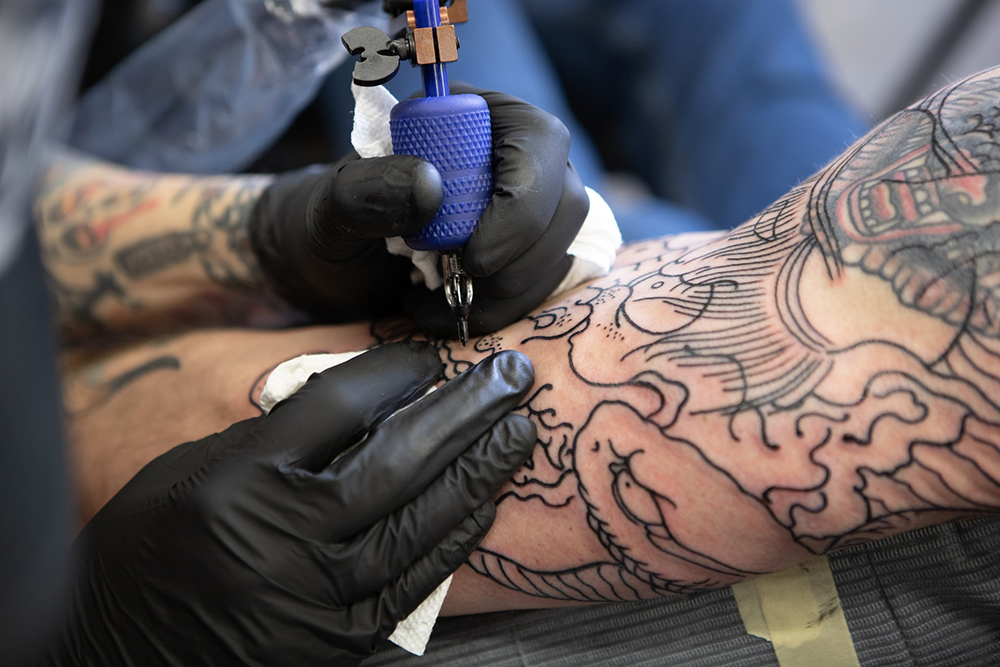
Infections, allergic reactions, and other skin problems can occur during the tattooing and healing process. Here are the most common issues to look out for:
If a tattoo swells, turns red, hurts more than expected, or has pus-like drainage, then it might be infected. Infections can happen if you use equipment without properly cleaning it or if the client does not follow aftercare instructions.
The client will need to go to the doctor to get it checked out and will likely need an antibiotic to clear it up.
If a person is allergic to tattoo ink, their skin will turn red and swell. This can happen immediately after the tattoo or even years after.
Minor reactions can usually be treated with a steroid cream. If it gets worse or doesn’t go away after a few weeks, the client will need to go to a doctor.
Red and yellow ink
Tend to be the most common ink colors that cause reactions.
A granuloma is a type of inflammation that makes a “knot” or bump in the skin. This can happen if the immune system treats a foreign material, like ink, as an “invader” and attacks it.
These are usually treated with a steroid prescribed by a doctor.
Keloids are caused by scars that grow beyond their natural boundaries and lead to raised bumps of scar tissue.
They are treated with steroids and creams or, in some cases, must be surgically removed.
Keloids are hereditary.
If a client’s family member has keloids, they are more likely to get them as well. Additionally, keloids are more likely to affect people with dark skin.
Every once in a while, you’ll have a client come in after getting tattooed at a different studio they are unhappy with. Whether they want a coverup (or even tattoo removal), it’s important to make sure they understand that their skin needs to heal completely befor taking that next step.
If not enough time is allowed for healing, there is a higher risk for infection.
Finding and Using Safe Equipment
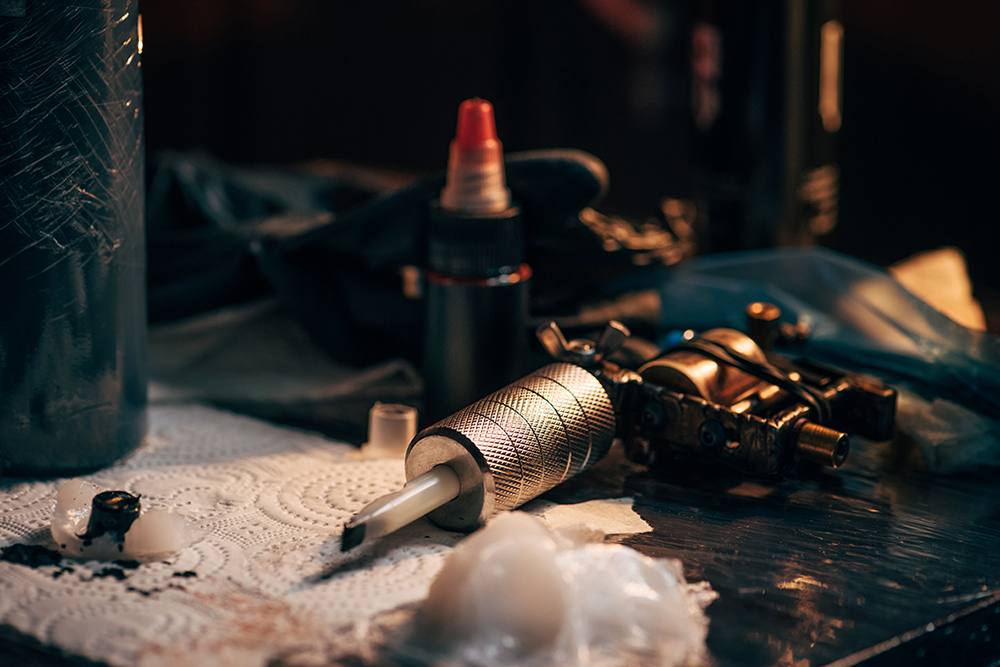
When you first learn about tattoo safety, most people talk about how diseases spread through blood. This is to emphasize why it’s so important for every permanent makeup and tattoo artist use sanitary equipment by following proper protocols.
However, even if you’re working in a sanitary way, if your equipment is from a tattoo site that is not a reputable manufacturer, there’s still a risk of infection.Infections and other skin issues can be caused by using cheap equipment, especially ink. Currently, there’s no FDA-approved tattoo ink on the market. Unfortunately, this means that some tattoo companies will put cheap materials in their ink that are unsafe for skin. Additionally, there are knockoffs on the market that look like the good ink that artists use, but the tattoo dyes actually have dangerous material in them.
Where to Buy Safe Equipment
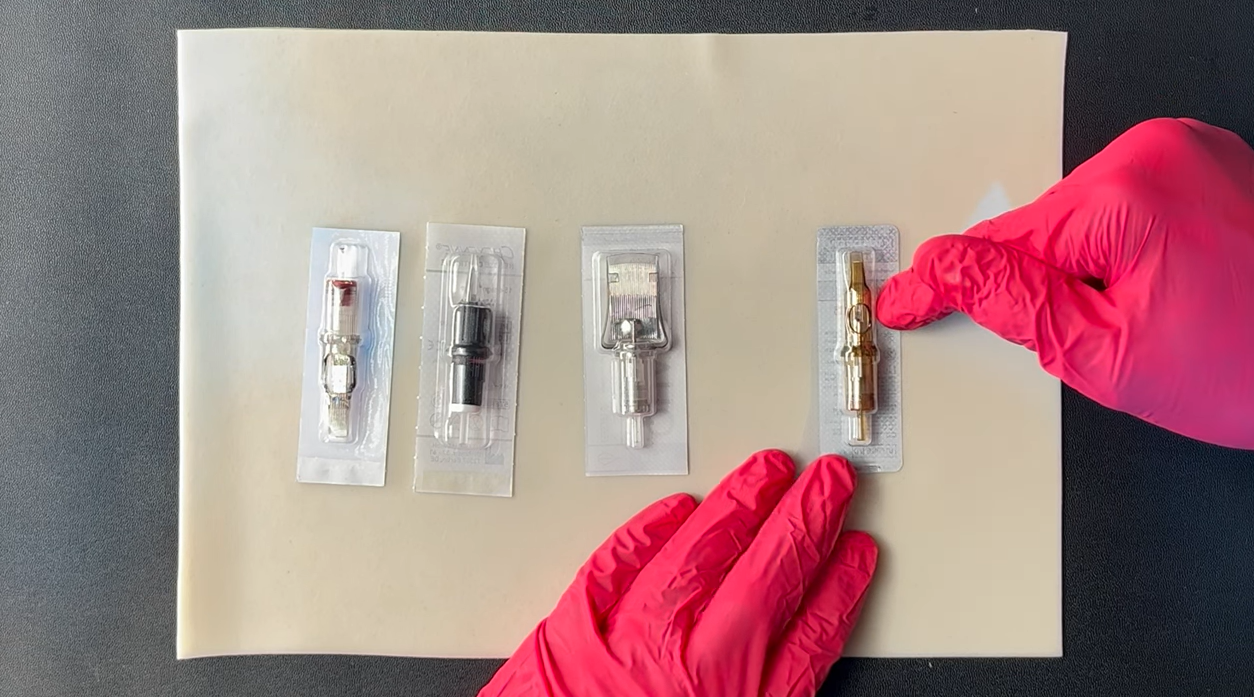
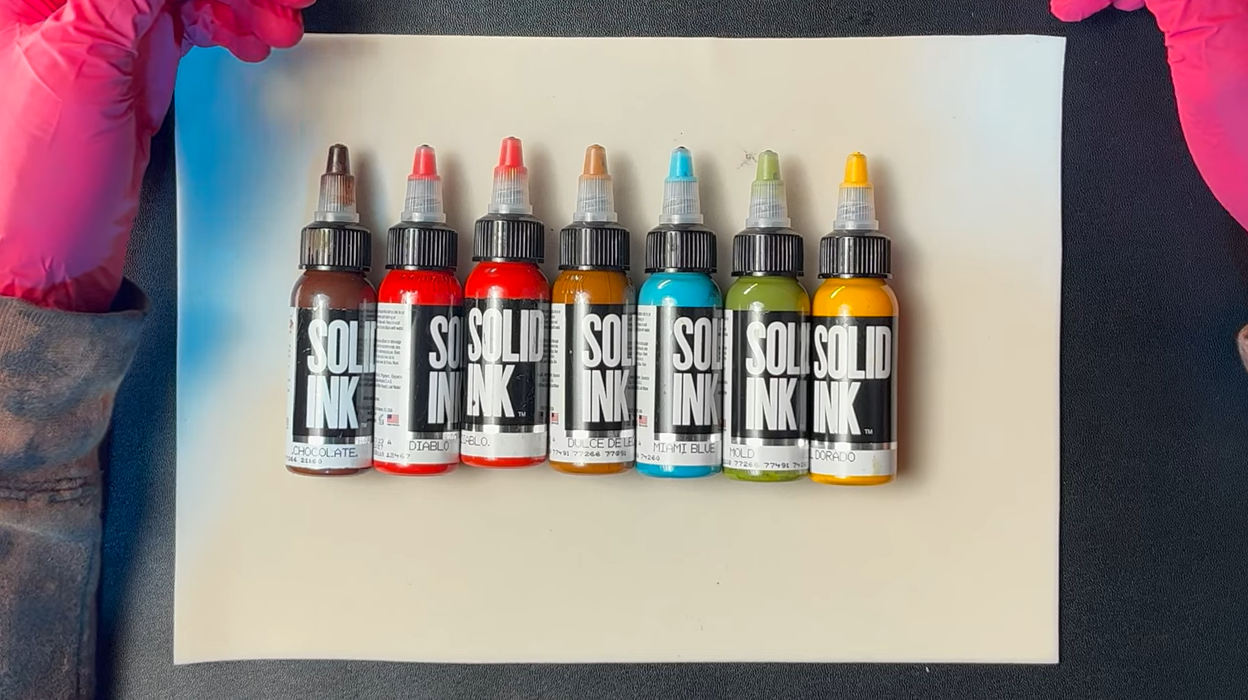
When looking for safe ink and tattooing equipment, avoid the tempting prices of Amazon. Anyone can list their products there. Shopping at places like ReelSkin, CNC Tattoo Supply, and Dragonhawk Tattoo Supply will ensure you’re getting tattoo equipment known for its safety and consistency.
When you get any equipment, make sure it hasn’t been tampered with. All the packaging and seals should look like new. Especially with ink, it’s hard to tell if a broken seal has allowed mold or bacteria to grow inside the bottle.
Sterile Water
When you’re tattooing, you’ll need to dilute green soap and rinse your needles between colors. Always use sterile water in the tattooing process. Sink water can still contain microorganisms that cause a tattoo to get infected.
Pain and Passing Out
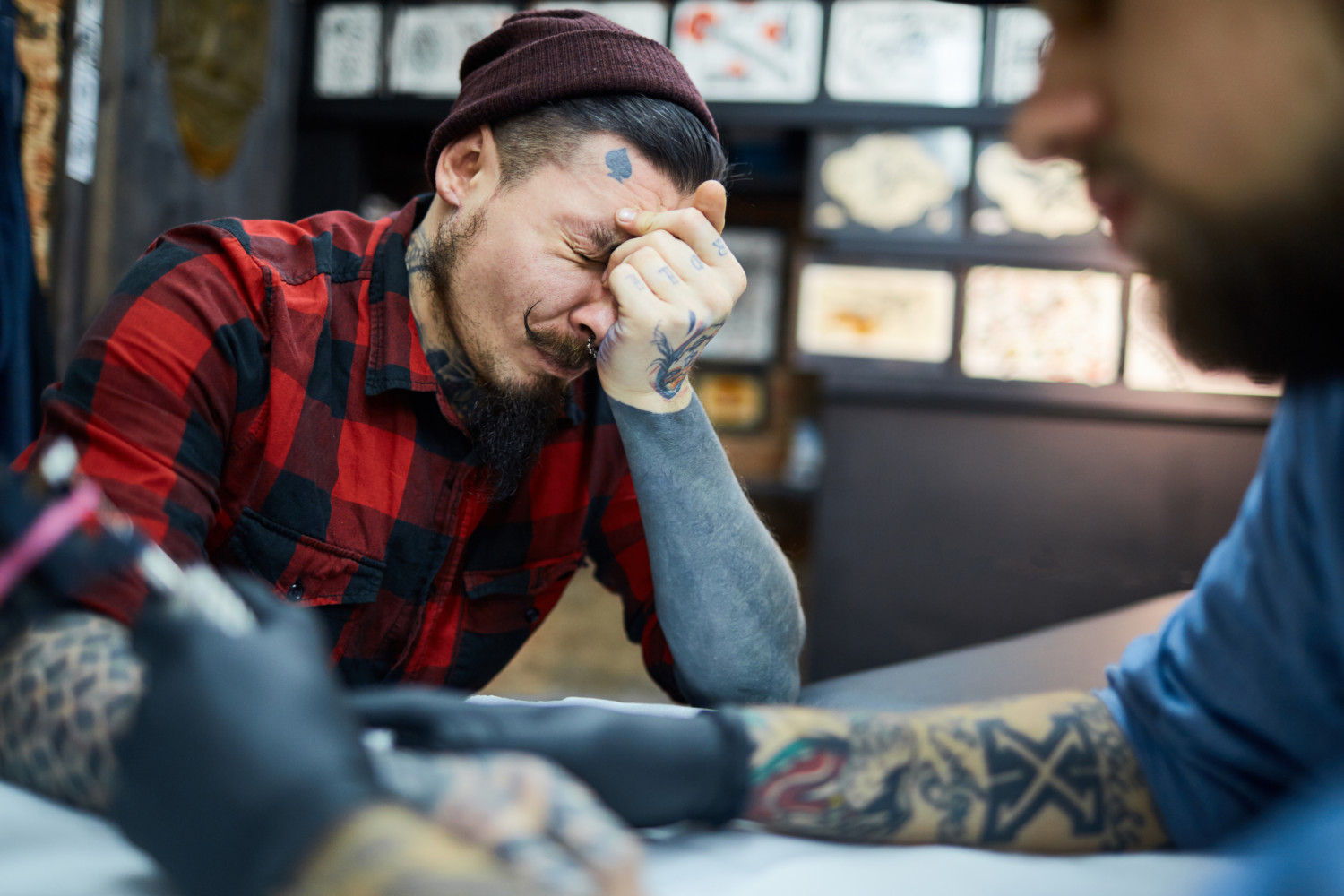
It’s rare that a client will be in enough pain (or anxious enough) to pass out or vomit during a tattoo session, but it does happen.
When you’re tattooing a client who looks a little too pale, offer them a break as well as something to get their blood sugar up (a snack or soda is fine).
Aftercare
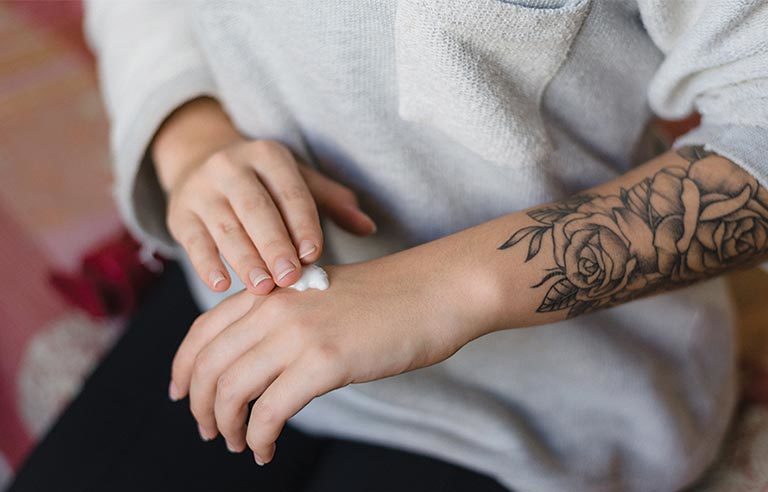
Tattoos are open wounds, and it’s important that the client continues to care for the tattoo after they leave the shop to make sure it doesn’t get infected and heals safely.
You’ll need to give each client a sheet listing your aftercare instructions for the tattoo. Every artist will have slightly different instructions, but every instruction sheet should include the following:
Getting a Tattoo?

If you plan to get a tattoo, it’s important to understand risks and precautions involved in the process. If a studio seems to take the risks lightly, you do not want to get tattooed there. The most important consideration when getting a tattoo is the cleanliness of the shop. Here’s what you should look for when determining if a shop practices tattoo safety well:
A lot of infections from tattoos are caused by what happens after you leave the shop. Tattoos are technically open wounds, and they need special care while they’re healing. Your tattoo artist will give you a sheet explaining what to do in the weeks following your tattoo to make sure that it heals properly.
(For a general overview of what will be included on this sheet, see the “Aftercare” section above.)
What to do if you have an allergic reaction or infection: If you’re experiencing pain that seems beyond that of the tattoo or see excessive redness, inflammation, or bumps that look like granulomas or keloids, call your doctor. They’ll be able to prescribe medicine to help heal the skin.
Become a Tattoo Artist With the Artist Accelerator Program
Having a career in tattooing is not only fulfilling, but it’s also the most stable way to make a living as an artist. However, for decades, the process to become a tattoo artist has been notoriously difficult.
The apprenticeship process requires aspiring tattoo artists to work 50-60 hours a week without pay for 2-4 years. That, combined with the toxic culture of abusing apprentices, makes getting into the industry almost impossible for newcomers.
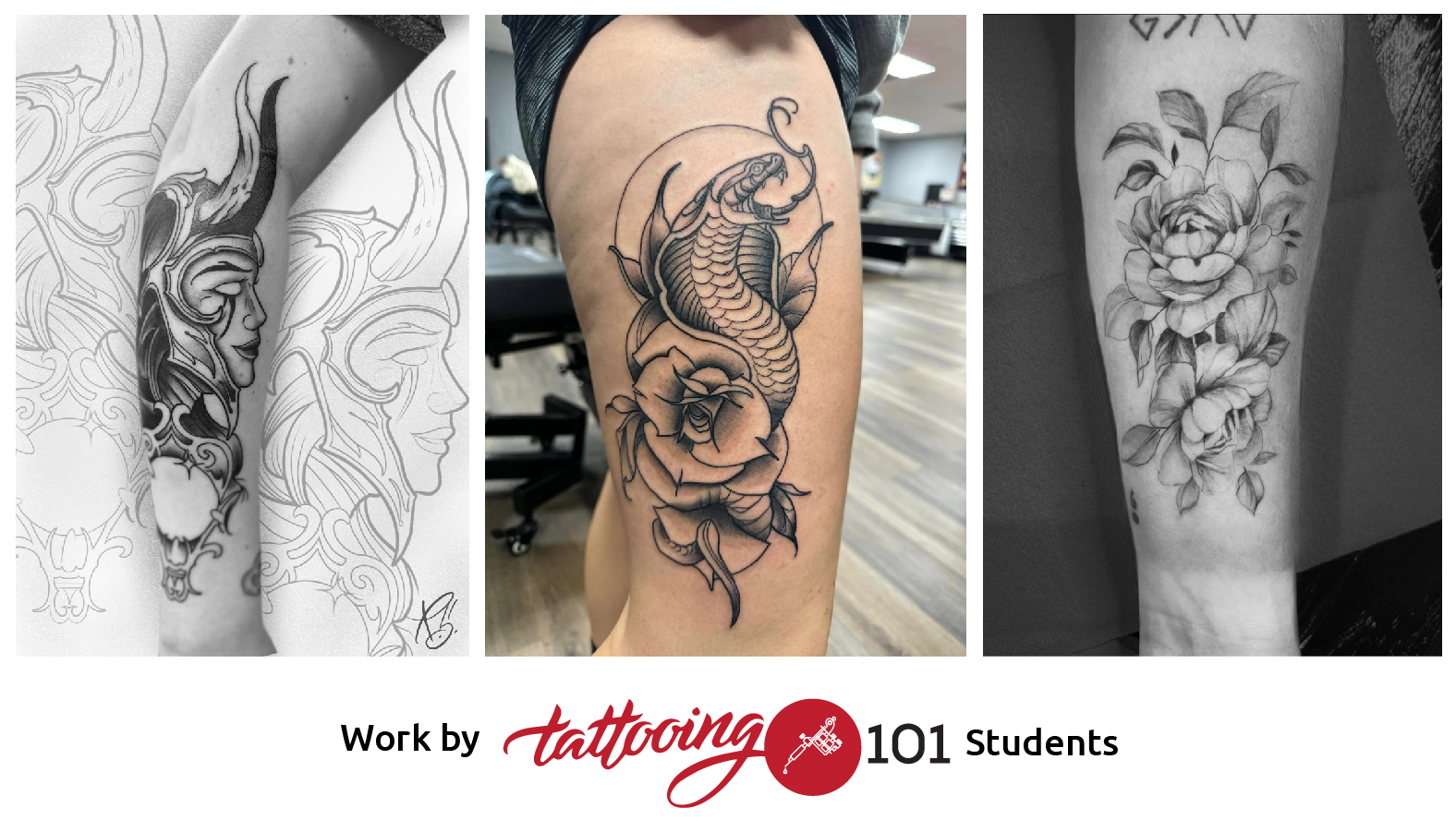
That’s why we created the Artist Accelerator Program. Our online course provides a simple, structured way of learning to tattoo that has been proven to work by over 4000 successful students, with many of them having gone on to open their own shops all around the world.
Inside the program, we’ll take you through every step of the tattooing process in 9 clear, easy-to-follow modules and support you along the way within the Tattooing 101 Mastermind online community.
In the Mastermind group, you’ll collaborate with other students, get answers to your questions, and receive personalized video feedback on your artwork and tattoos from professional tattoo artists. With this friendly community of both new and experienced tattoo artists, you’ll never be stuck again.
When you join the Artist Accelerator Program, you’ll have instant access to the full course and the Mastermind community, as well as our 30-Day Flash Challenge and recorded interviews with tattoo artists from all over the world.
Click here to learn more about the Artist Accelerator Program.