
What is Blackdot Tattoo?
Austin-based Blackdot Studio has created an “automated tattooing system” that uses a machine to precisely apply a tattoo design. Blackdot claims that this means tattoos can be applied with exact accuracy, making tattoos less painful and offering more artists the opportunity to have their art applied to skin.
This new method is stirring up conversations about the future of tattooing—will it replace traditional methods, or just offer an option for clients looking for a novel experience?
Extreme Precision
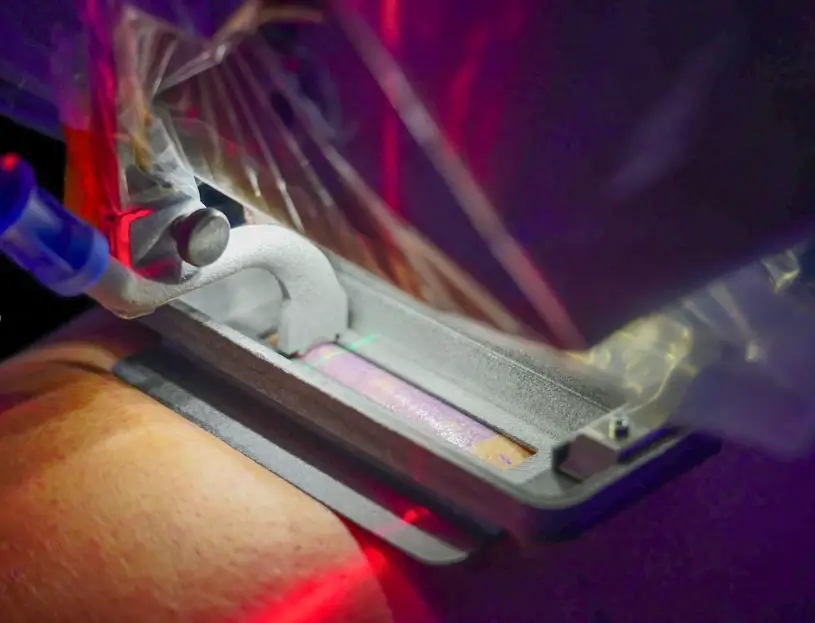
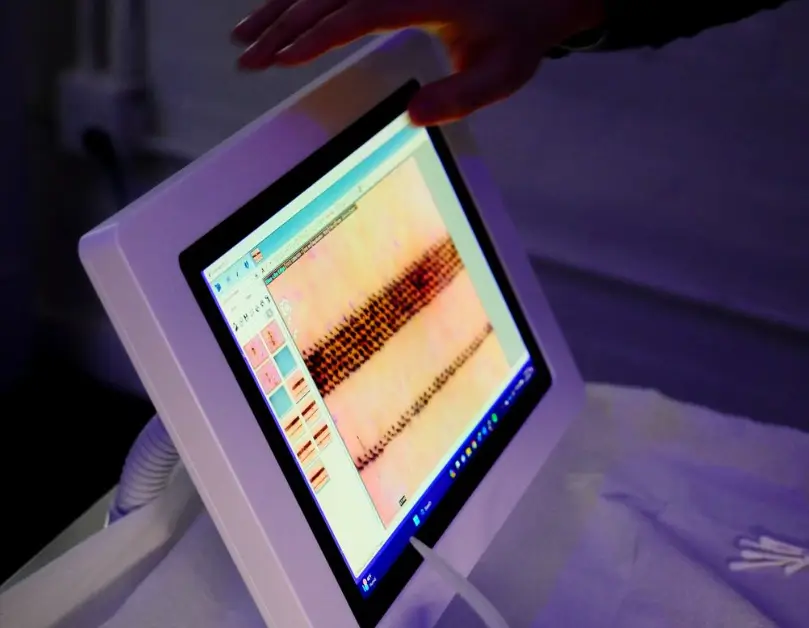
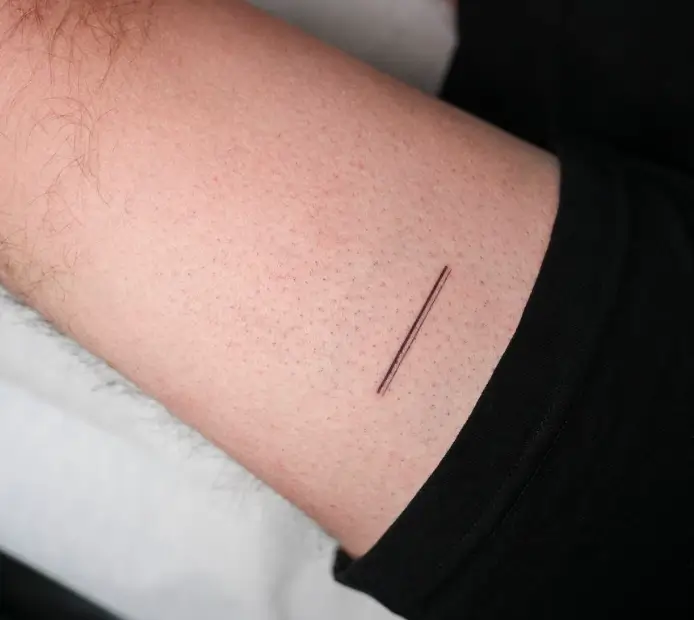
The Blackdot device is meant to use surgical precision to apply tiny “black dots,” similar to the digital printing process (just on human skin). Each deposit of ink is the width of a human hair - extremely small, even when compared with the smallest needles available to traditional tattoo artists.
One reason artists don’t work with such tiny needles is because it is very easy to go too deep in the skin if the tattoo needle is too thin, as there is not much surface tension available to “bounce back” against the needle.
However, Blackdot claims that their machine is able to react to the client’s skin characteristics to ensure the ink is deposited at the right depth, minimizing the risk of human mistakes.Blackdot's Vision for Tattoo Artists
As opposed to replacing tattoo artists, Blackdot’s goal is to give artists (whether they have experience in tattooing or not) a simple way to apply their art on skin.
For artists like John Craig, a traditional artist, the Blackdot device can be used to recreate their art on skin without having to learn how to apply a tattoo. For tattoo seekers who want to carry artists’ work to a new medium, this is a potential route.
Blackdot has also mentioned use of “generative art” as a way to expand their offerings, collaborating with artists like Tyler Hobbs, who uses algorithms and coding to create intricate designs as well.
Any Artist Can Work From the Client’s Preferred Tattoo Location
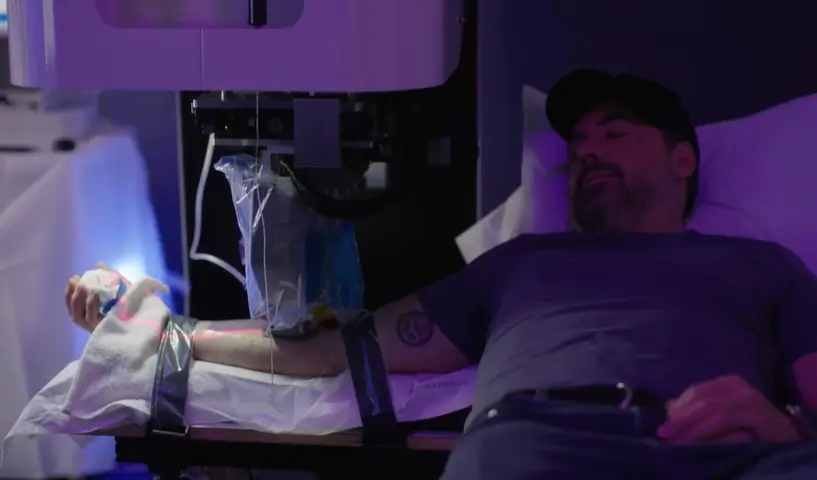
One benefit to “machine tattooing” like this is that tattoo artists can deliver tattoos, even if their client is halfway around the world.
Additionally, Blackdot offers artists the opportunity to become “Blackdot Certified Artists” who will create limited edition collections, earn royalties, and be able to sell their designs around the globe. Current partnerships include artists like Tyler Hobbs and Omer Tunca.
Blackdot’s “Tradable Tattoos”
Blackdot’s “Tradable Tattoos” program is meant to allow artists to trade designs with other artists. It’s also a way for tattoo seekers to claim designs by their favorite artists. While the process isn’t fully detailed on the Blackdot website, it seems that the system is similar to trading NFTs.
Missing Pieces in the Blackdot System
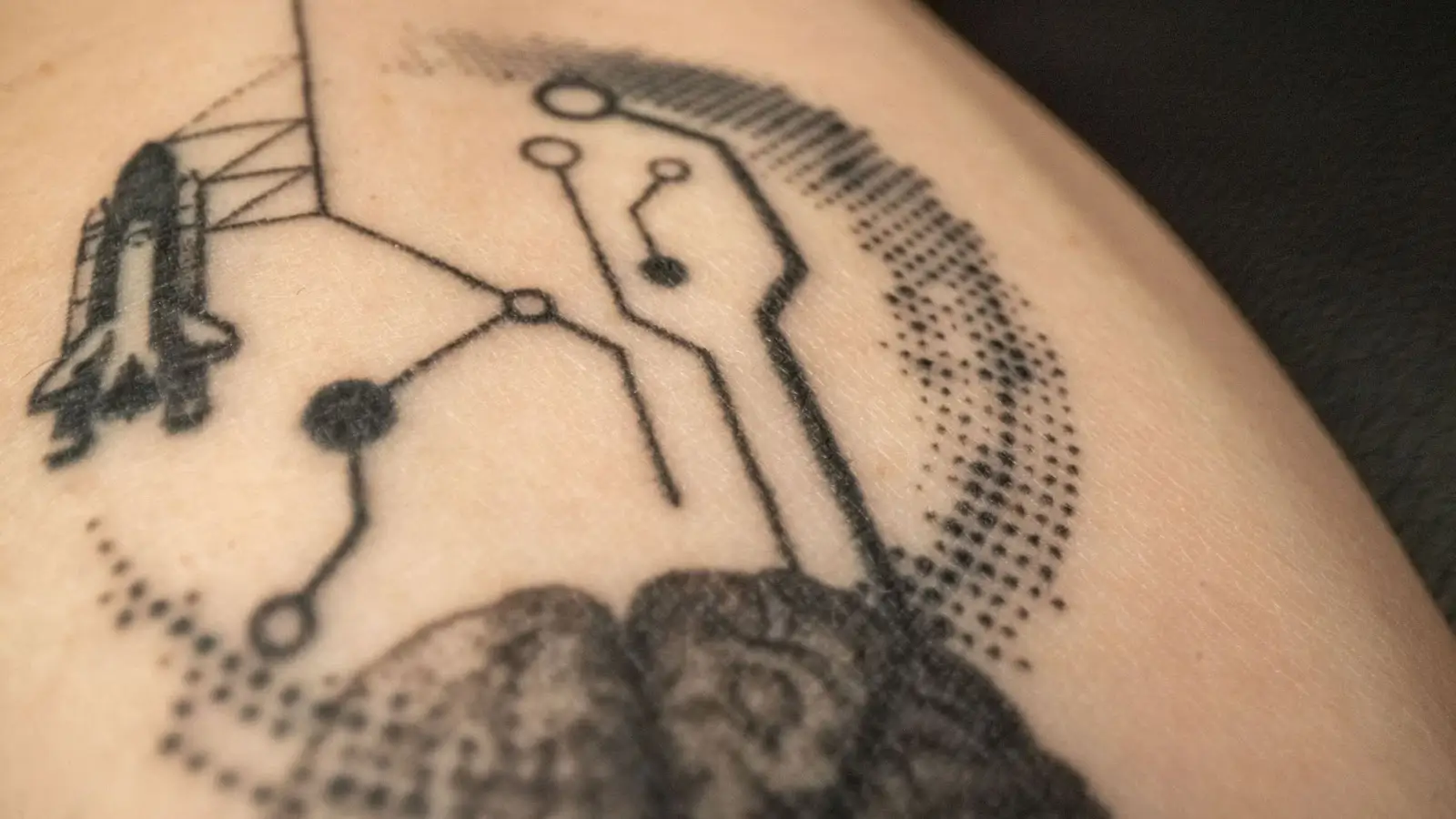
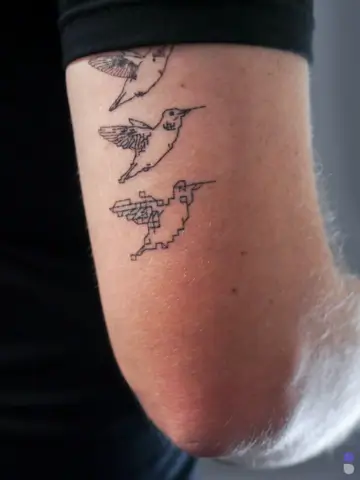
New technology is being adopted into the tattoo industry all the time. The invention of rotary machines, the use of iPads, the introduction of AI - every new advancement has faced extensive criticism from artists within the industry. And overtime, every breakthrough innovation has found its place in the industry as artists adopt technology as a way to increase and improve their creative output.
However, Blackdot has received some backlash from the tattoo community, citing genuine issues:
1
Steep Design Fees
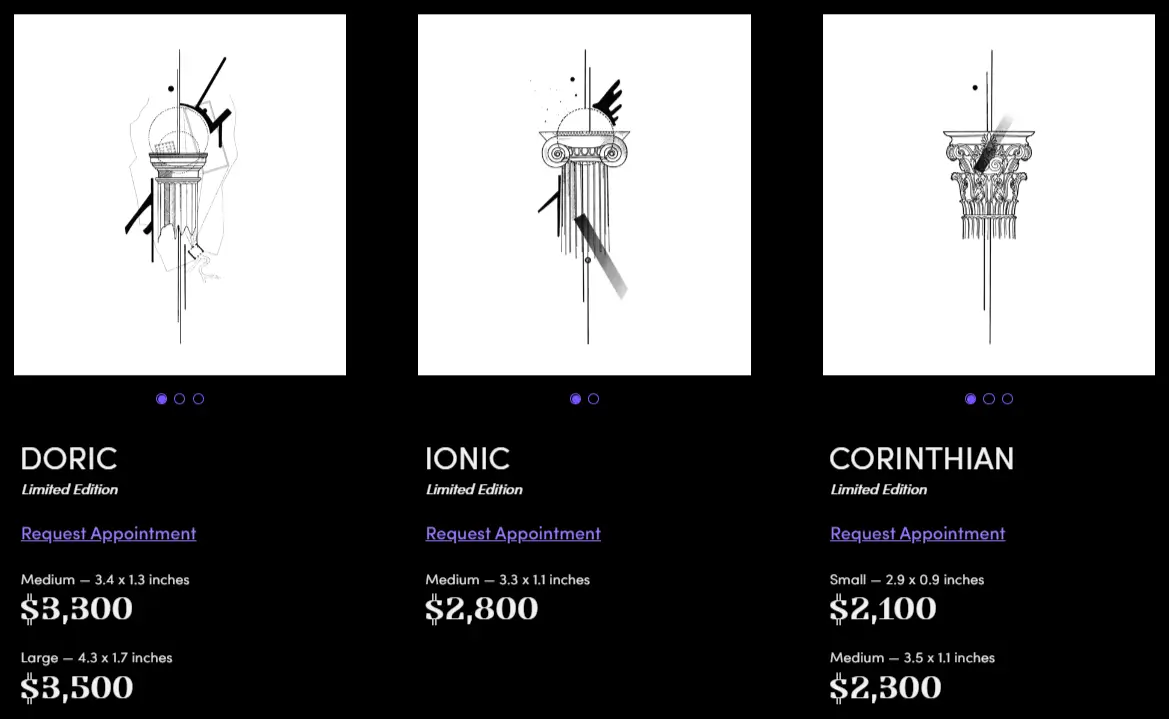
At present, tattooing customers that choose Blackdot can expect to pay thousands of dollars for, in most cases, a “microtattoo.” This is impractical for most clients, especially those who live far away from Blackdot’s East Austin studio location.
Note:
Blackdot plans to open more locations. They are currently looking for prospective investors to assist in their expansion efforts.
2
Longevity of Fine Art Microtattoos
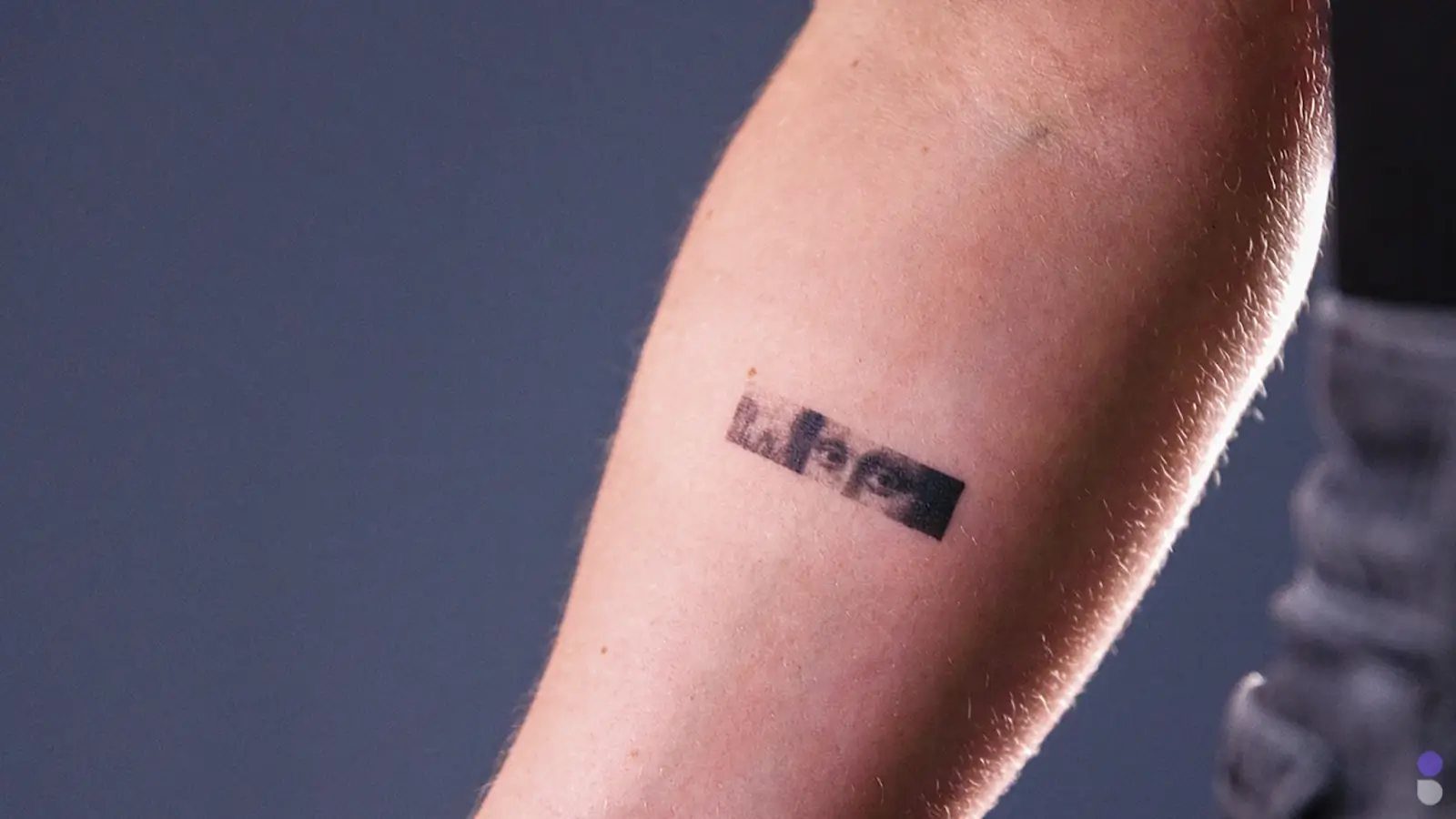
While Blackdot uses an innovative approach, the initial tattoos released on their website and Instagram show extremely detailed and tiny tattoos.
Many artists and clients have critiqued one of their most popular tiny designs - Blackdot’s famous Mona Lisa tattoo. Designs that small and detailed tend to “blur” over time as the skin changes and the body breaks down the ink.
Essentially, the client with that tattoo - or any other with the same level of detail in such a small space - will end up with a grayish blob on their arm as time progresses.
3
Impact on the Tattoo Industry
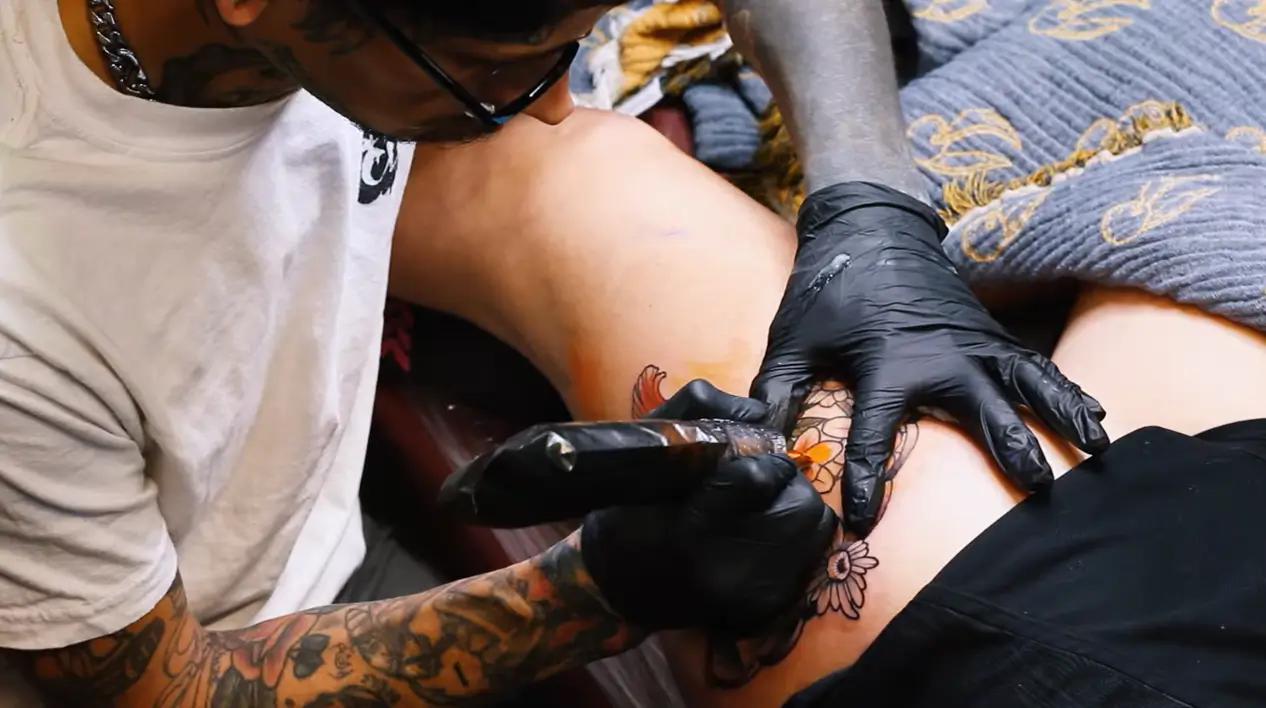
Blackdot makes a point about partnering with artists, and it continually touts its dedication to lowering barriers for artists. With an automated system to do the tattooing for them, artists across different mediums can help people who love their work get it tattooed.
Additionally, the precise and consistent results of a well-tuned machine could potentially lower the risk of getting a “bad” tattoo, dealing with blowouts, and more.
However, this futuristic way of getting a tattoo has been highly criticized by artists and clients alike, who see tattooing as a craft that relies on hands-on skill. If machine tattooing were to become popular, it could encroach on job opportunities within the industry because any artist - not just tattoo artists - would be able to “tattoo” someone.Final Thoughts - Traditional Tattooing vs. Blackdot’s Futuristic Vision
While the process still needs to be refined, machine-created tattoos are likely in the tattoo industry’s future. Several attempts have been made so far, and each iteration has improved by leaps and bounds.
However, we’re a while away from robot tattooing being a viable option for the average tattoo client. At present, the prices for Blackdot tattoos are too high to draw in a large clientele, with much of the online conversation surrounding the company focusing in on the cost.
That said, the general atmosphere of the tattoo industry remains the same. Most clients prefer the process of working with a human tattoo artist - a sentiment that doesn’t seem to be going anywhere soon, protecting the jobs of tattoo artists and the longstanding tradition of the artist-client relationship.